By Farhan Khalil
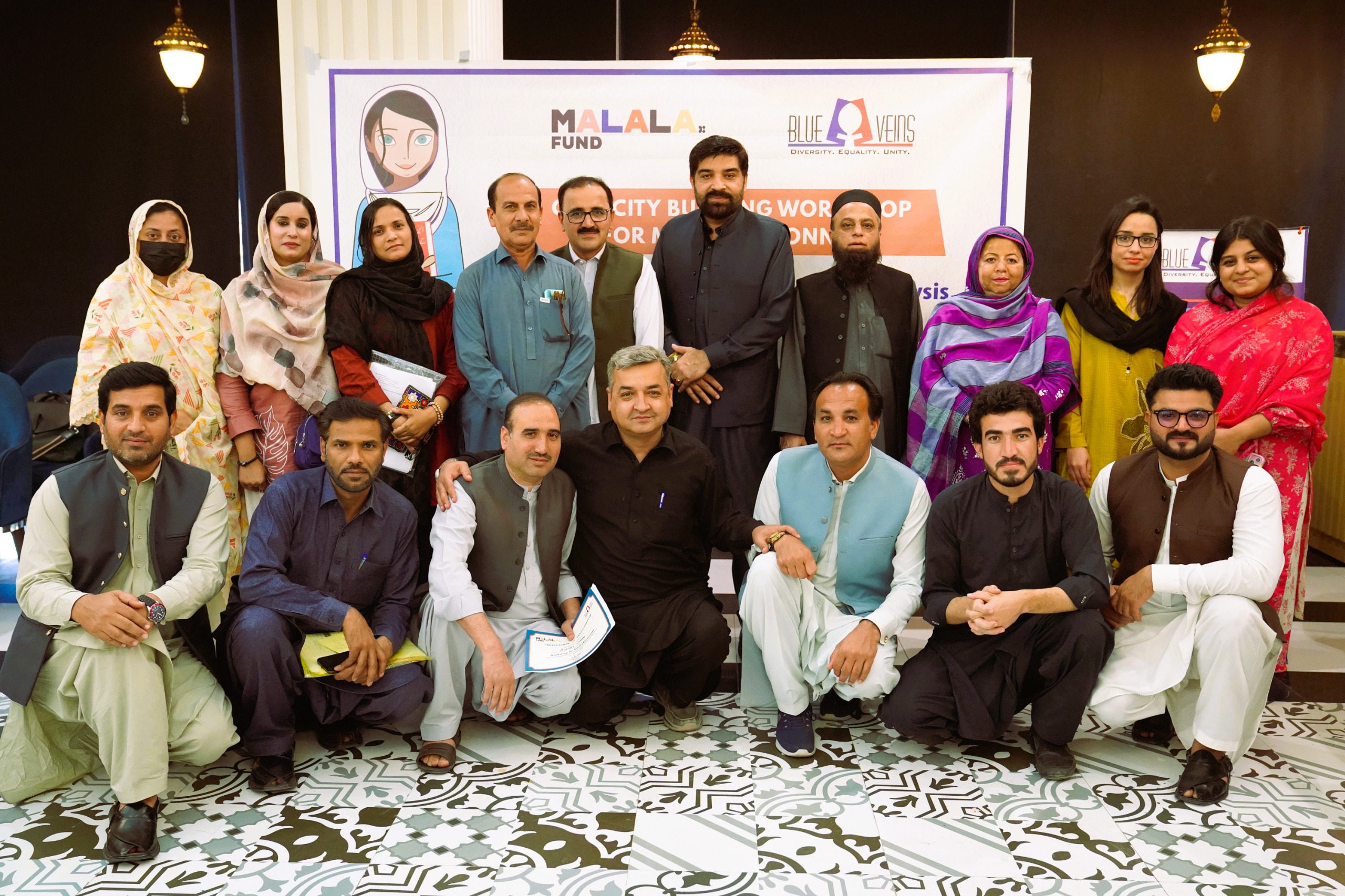
PESHAWAR:A capacity-building workshop for media personnel on education budget understanding, analysis, monitoring, and reporting was organized by Blue Veins with the support of Malala Fund.
The workshop with a strong focus on gender equity and girls’ education, aimed to strengthen journalists’ capacity to analyze education budgets and highlight gender gaps in financing and implementation.
Ijaz Muhammad Khalil, Advisor Governance, KP Elementary & Secondary Education Department, provided an overview of the education budget process, and various stakeholders involved at each level.
Through practical exercises, participants were equipped with tools to track budget allocations, assess spending patterns, and produce evidence-based reporting to promote transparency and accountability.
Sessions covered areas such as gender-responsive budgeting, and media reporting techniques through gender lens.
Speaking on the education financing in Khyber Pakhtunkhwa, Qamar Naseem, Program Manager at Blue Veins and Malala Fund Education Champion, stated that, development spending for girls’ education remains constrained due to weak planning, delays in fund releases, and inefficient utilization of resources at the ground level.
Lehaz Ali, Bureau Chief at Neo News Peshawar, underscored the role of journalists as watchdogs. He stated, “Journalists have a power to hold systems accountable. Through investigative reporting, data visualization, field verification, and direct engagement with stakeholders including girls, parents, and communities, media can ensure transparency and drive gender-responsive policy reforms in education.
He also highlighted the importance of linking budget data with ground realities to uncover disparities and amplify the voices of girls who face barriers to education.
Participants appreciated the initiative by Blue Veins and chalked out ideas for producing stories and articles, to help ensure that the needed resources are allocated in the fiscal year 2026–2027 for girls education.
About the Author